2024 CRONOS Symposium: Evolutionary Communication Infrastructure Connecting Diverse Mobile Devices and Humans
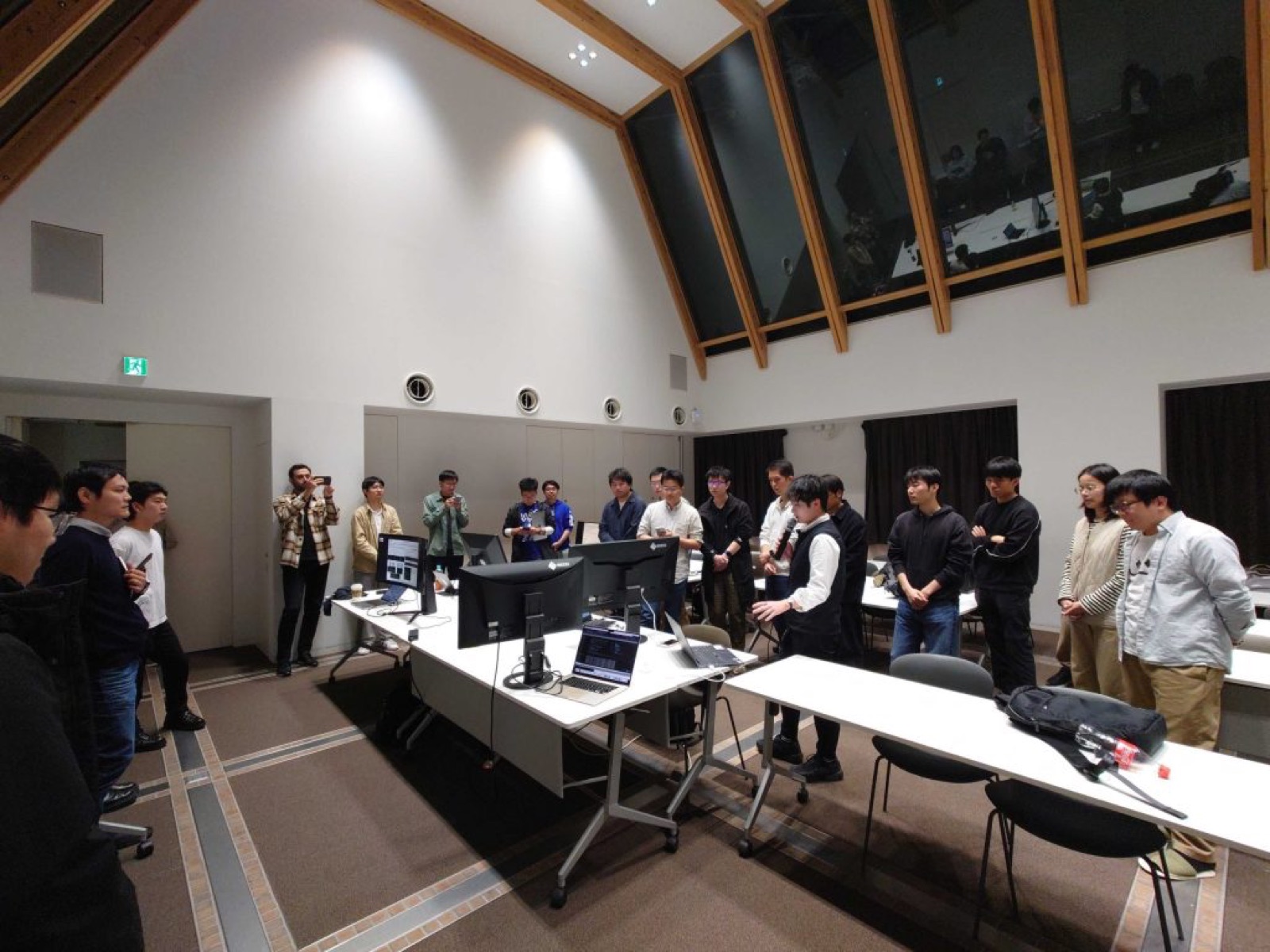
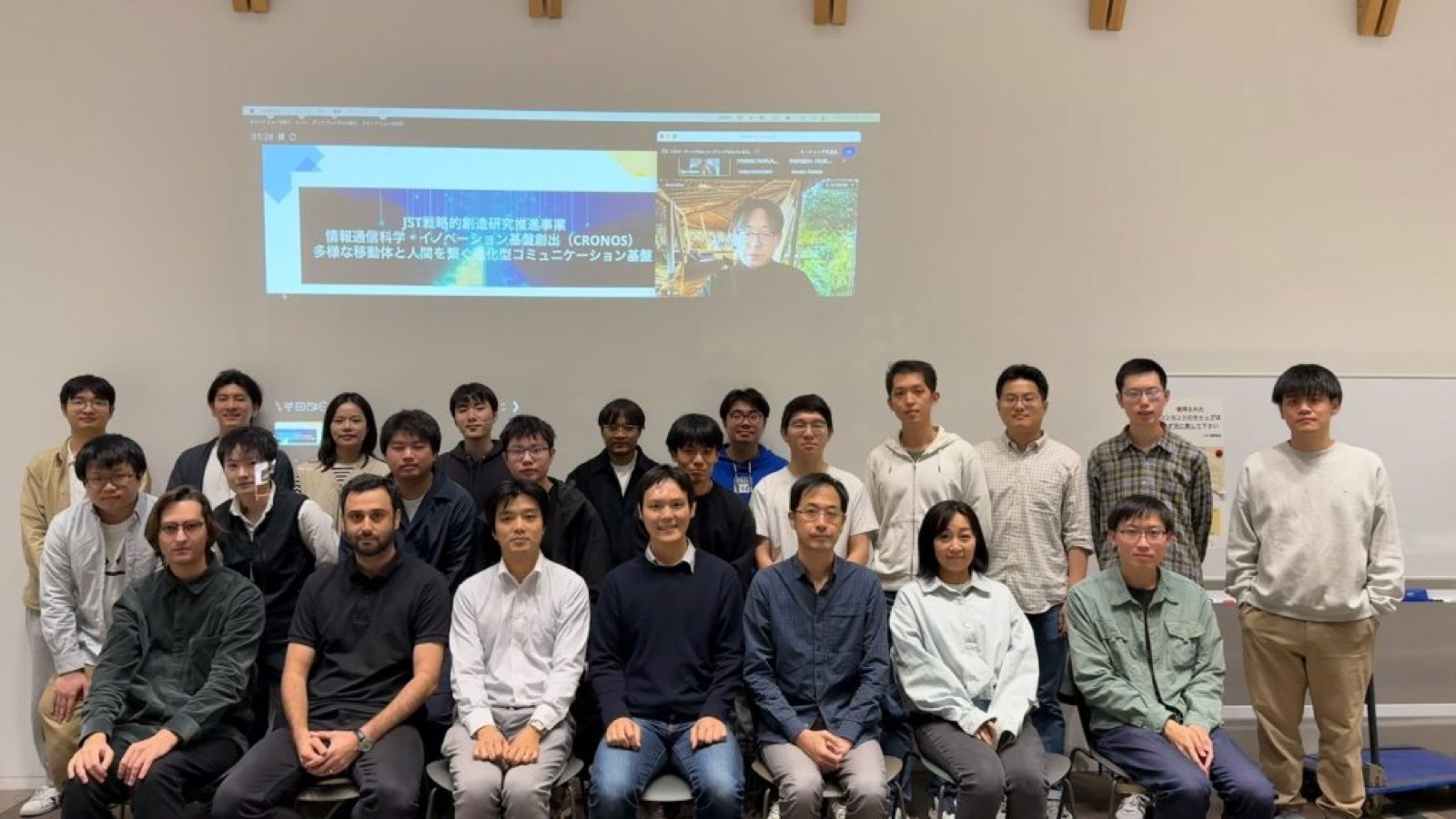
The 2024 Tsukada Lab CRONOS Symposium, funded by JST’s CRONOS program, served as a kickoff event for collaborative discussions on advancing communication platforms that integrate vehicle-to-vehicle (V2V) and vehicle-to-infrastructure (V2X) systems with large language models (LLMs) and VR simulation technologies. This symposium, part of the project Evolutionary Communication Infrastructure Connecting Diverse Mobile Devices and Humans, aimed to foster dialogue among researchers and practitioners on developing efficient bidirectional interactions between humans and embodied AI.
Keynote Presentations
Manabu Tsukada (Associate Professor, The University of Tokyo) opened the symposium with a presentation on the development of adaptive communication platforms that connect diverse mobility systems with human-centric applications. Prof. Tsukada highlighted how next-generation communication infrastructures can bridge humans and intelligent systems to enable more seamless and efficient interactions.
Takeo Igarashi (Professor, The University of Tokyo) delivered a keynote titled Bring LLM to eHMI: Toward Continuous and Bidirectional Car-Pedestrian Interaction. He explored the potential of integrating large language models (LLMs) into external human-machine interfaces (eHMI) for vehicles. His talk focused on enabling dynamic and intuitive car-pedestrian interactions to enhance safety and user experience in urban mobility scenarios.
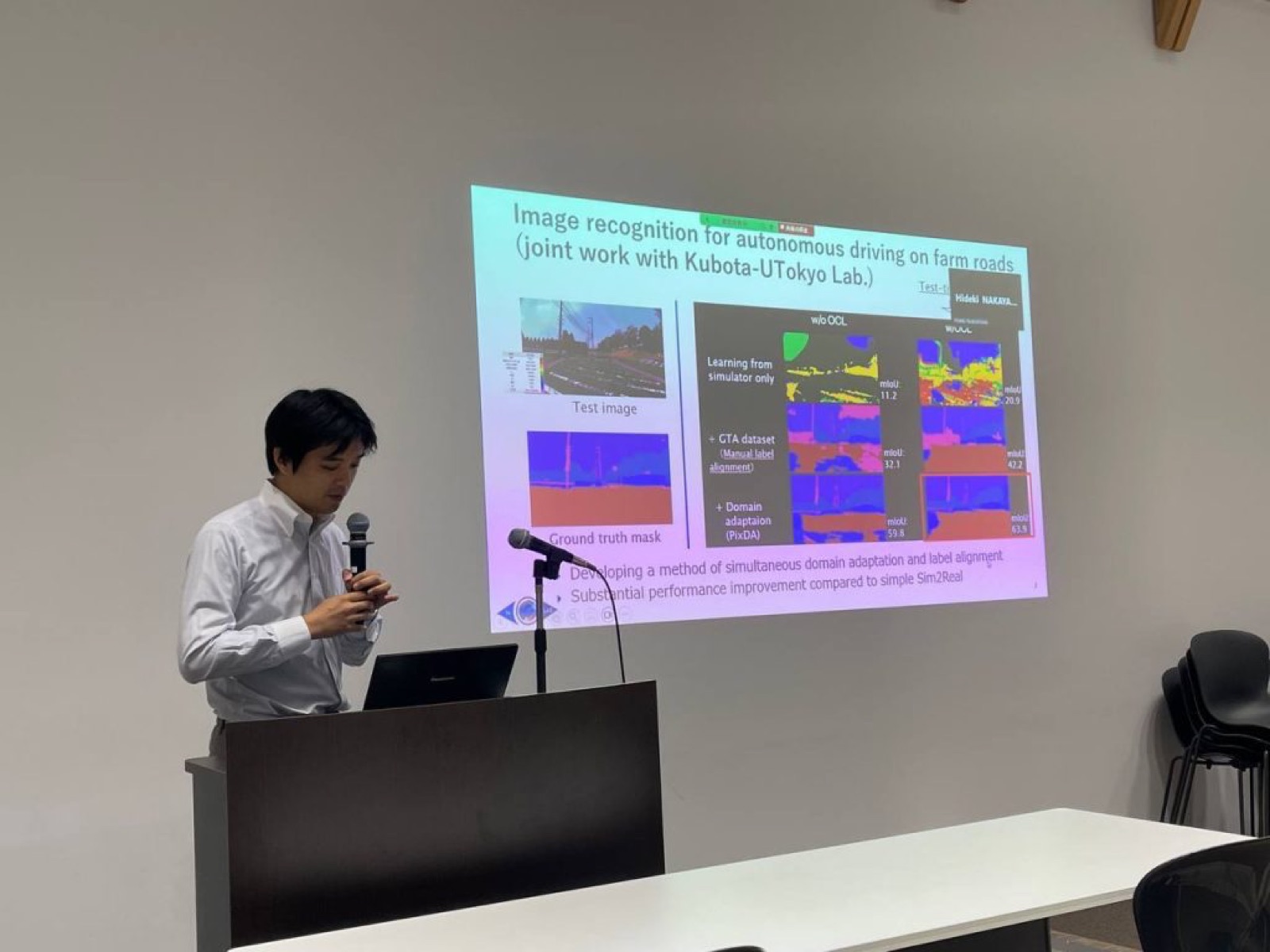
Hideki Nakayama (Professor, The University of Tokyo) presented on Toward Timely and Reliable Knowledge Control in Multimodal LLMs. He emphasized the importance of linking diverse data modalities, such as images and text, to achieve advanced recognition, understanding, and generation capabilities. Prof. Nakayama highlighted the need for transparency and interoperability to enhance the functionality of multimodal LLMs in cyber-physical systems.
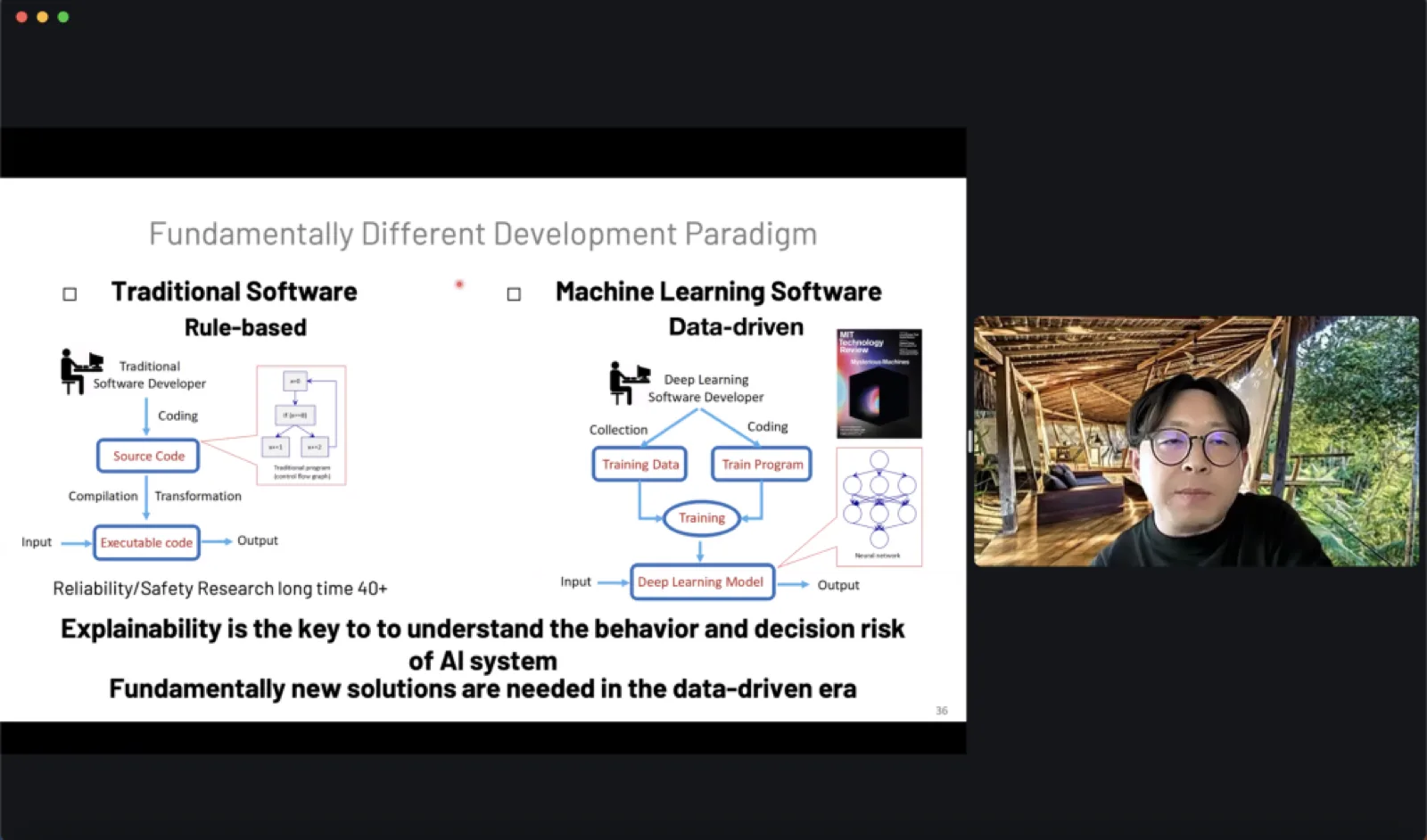
Lei Ma (Associate Professor, The University of Tokyo) concluded the keynote session with a talk titled Trustworthy Assurance of AI Systems in the LLM Era. Prof. Ma discussed methodologies for ensuring the trustworthiness of AI systems, emphasizing the importance of robust quality assurance and engineering practices. He underscored the need to develop safe and reliable AI-driven systems capable of meeting the demands of critical applications.
Poster Session Highlights
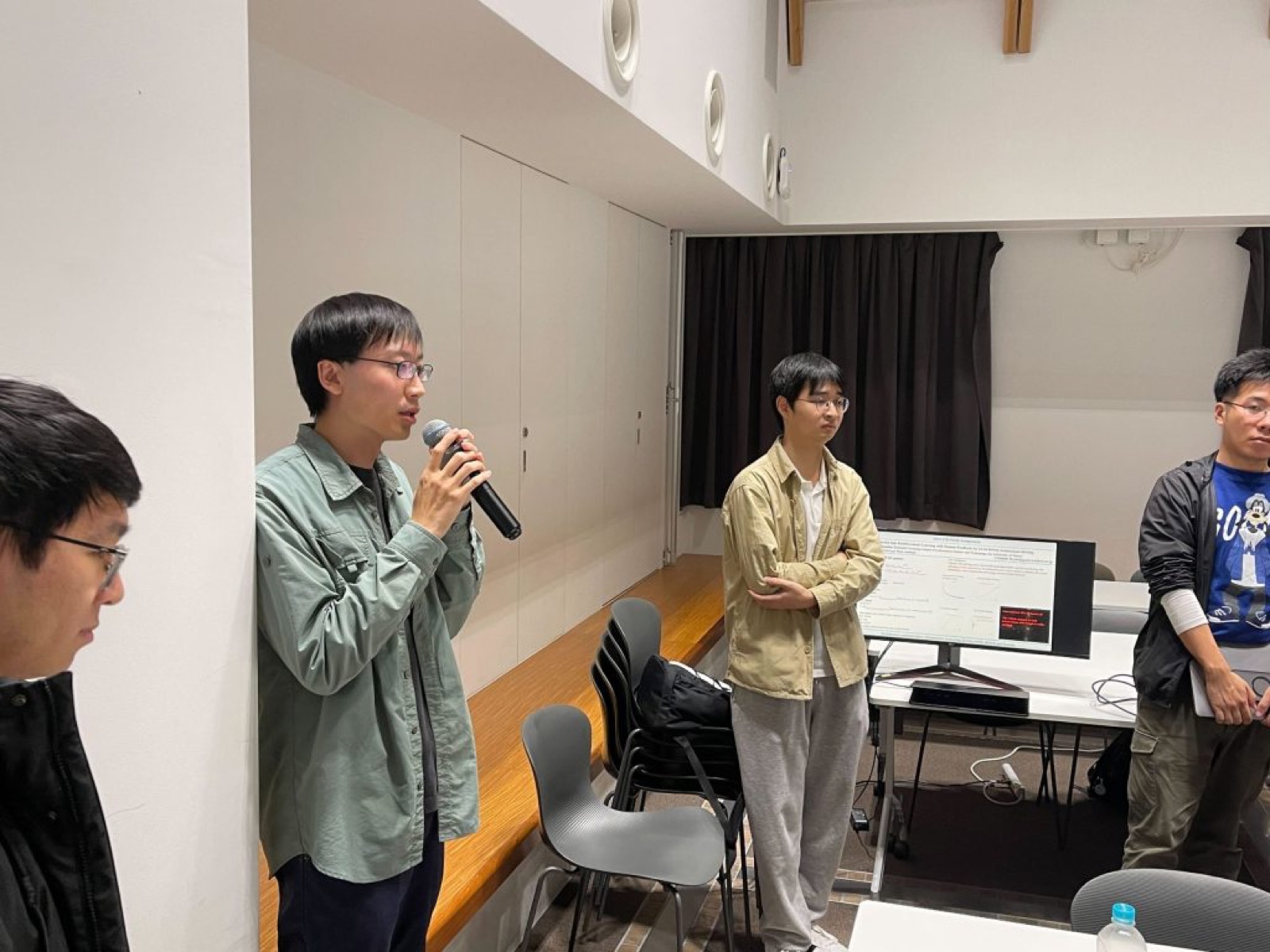
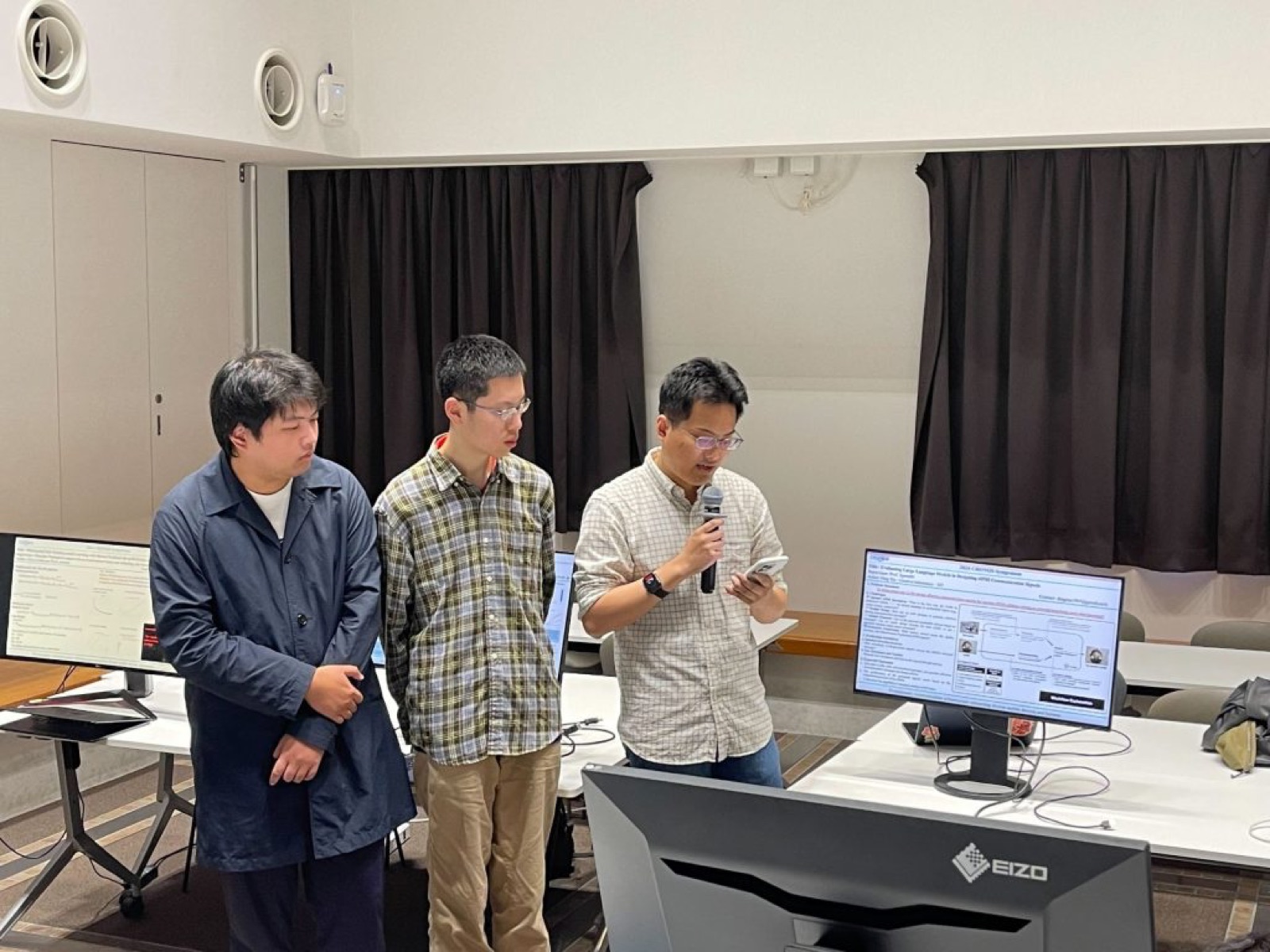
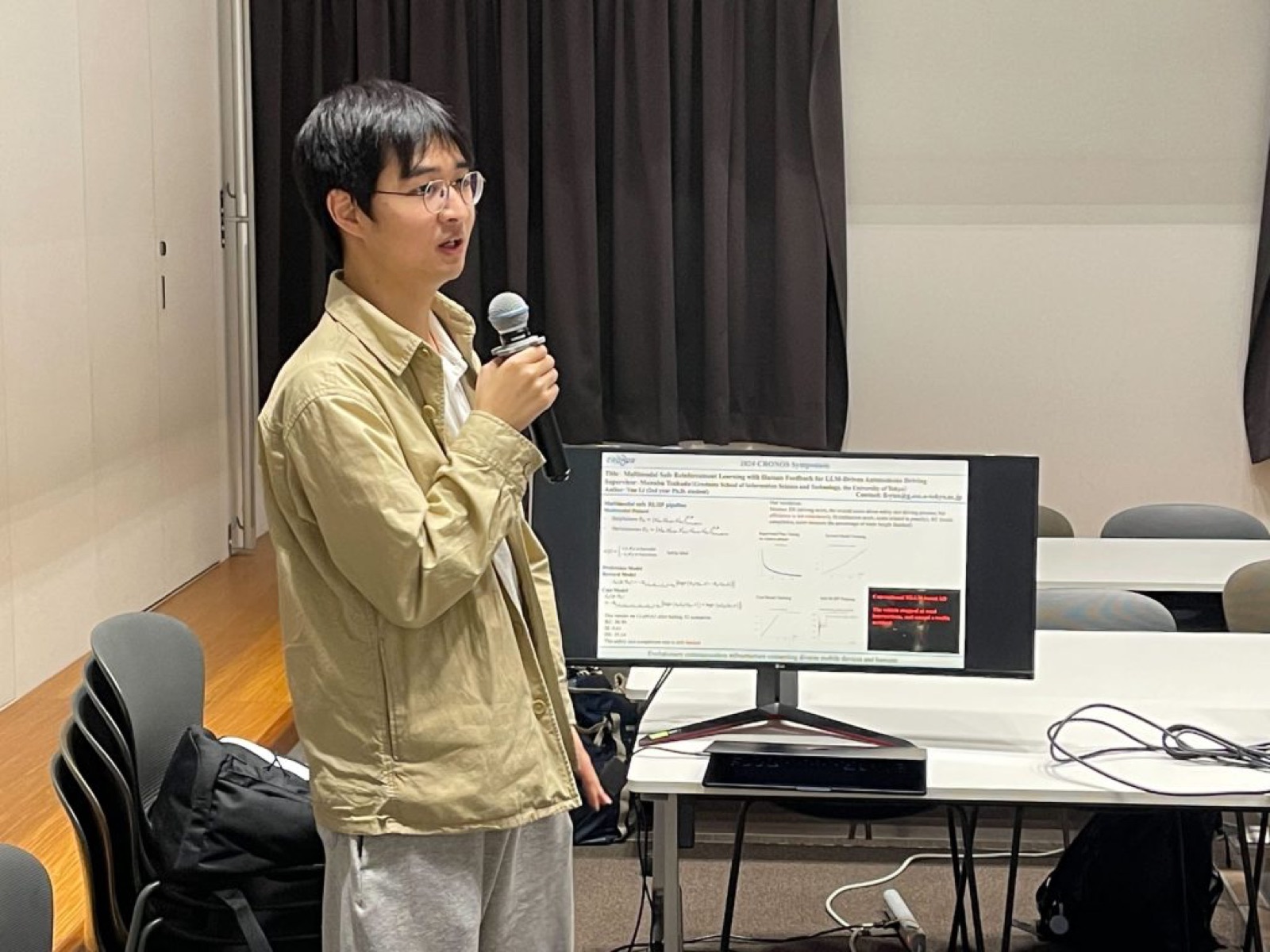
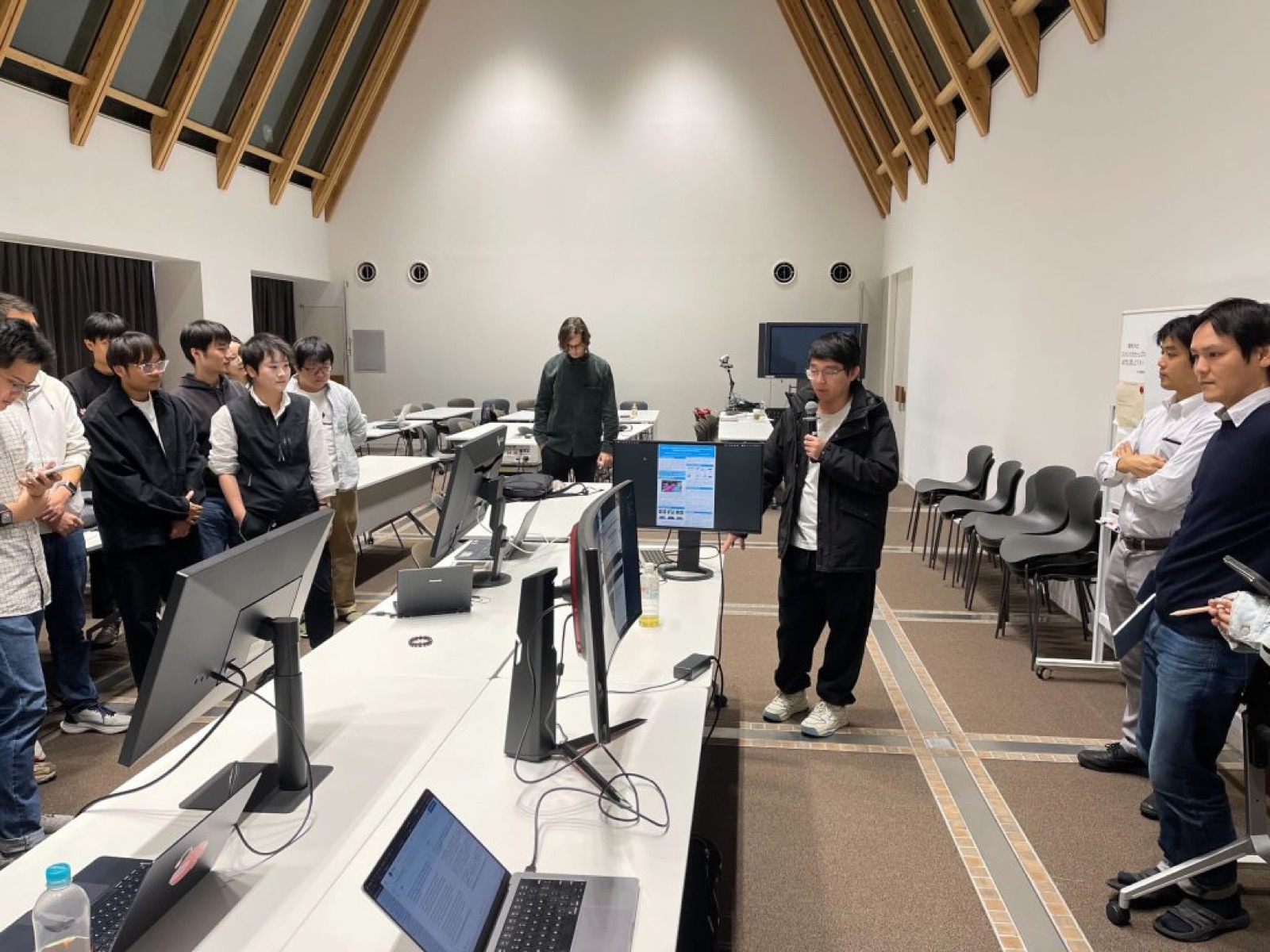
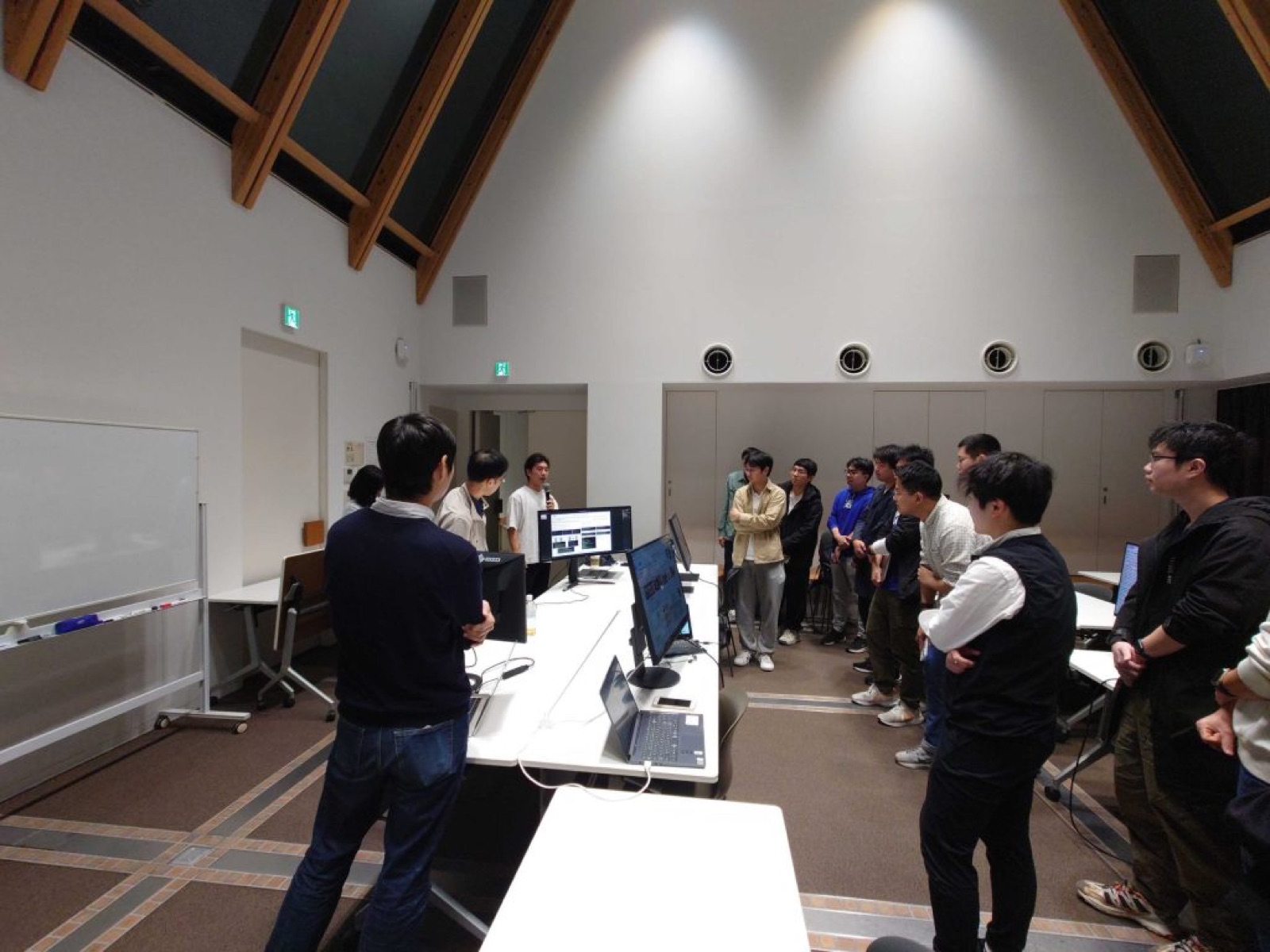
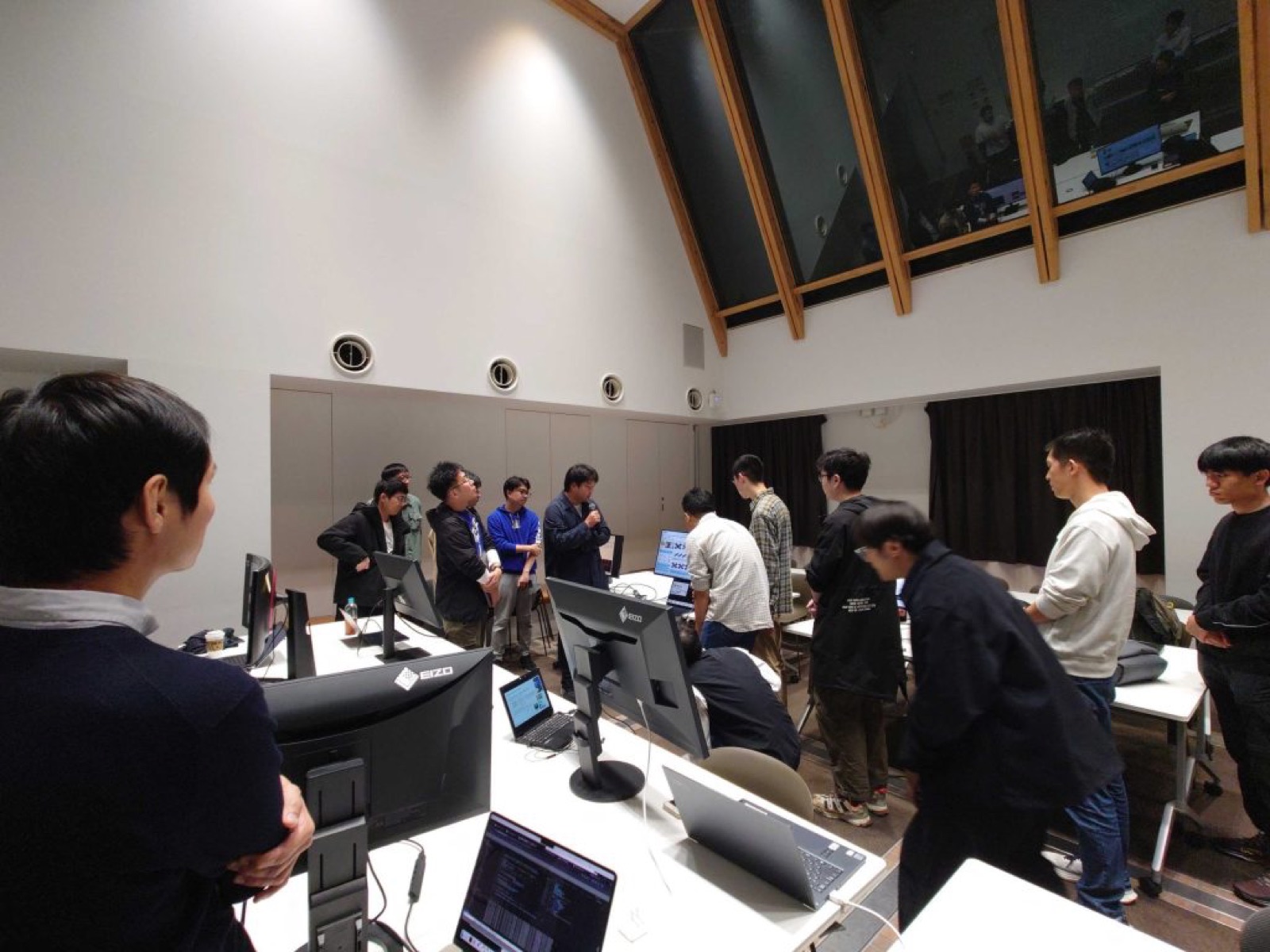
Following the keynote presentations, graduate students presented their research during a poster session:
Tsukada Lab:
- Yun Li: Large Language Models for Human-like Autonomous Driving Decision Making: A Survey
- Shangkai Zhang: Human-in-the-loop Autonomous Driving Simulation: An AWSIM Integration Practice
- Hanlin Wu: COP-3D: A Cooperative 3D Semantic Occupancy Prediction Benchmark by Simulated Ground Truth Detection
Igarashi Lab:
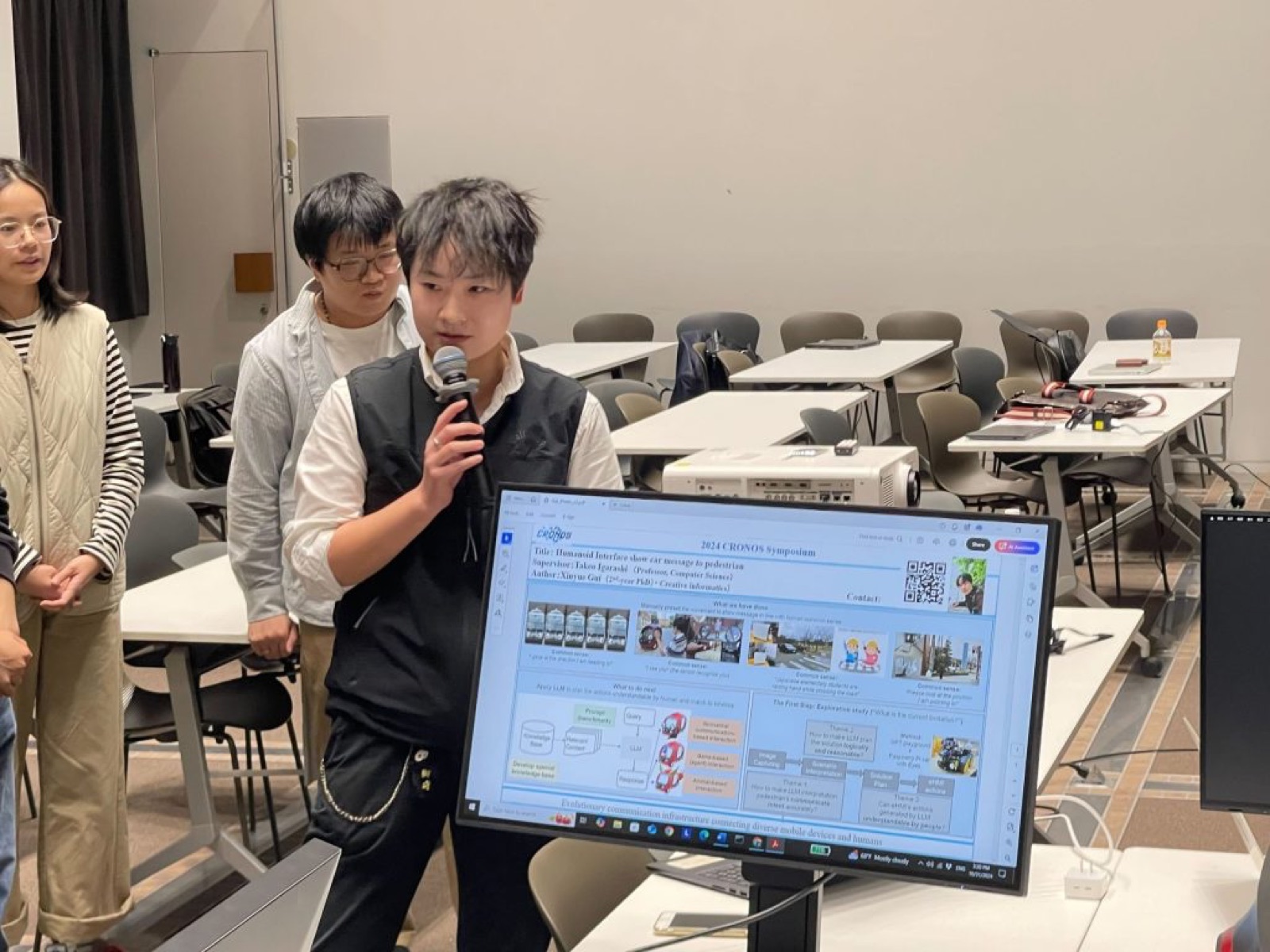
- Xinyue Gui: Humanoid Interface Design for Car-Pedestrian Interaction
- Ding Xia: Evaluating Large Language Models in Designing eHMI Communication Signals
Nakayama Lab:
- Kai Katsumata: Survey and Preliminary Study on Improving Interoperability of Heterogeneous Communication Messages Using Foundation Models
Ma Lab:
- Hua Qi: _Automated Search-Based Critical Scenario Generation for Autonomous Driving System Safety Validation
_
The CRONOS Symposium successfully brought together researchers from diverse fields to explore innovative applications of LLMs, V2V/V2X communication, and VR simulations in developing evolutionary communication infrastructures. By fostering interdisciplinary collaboration, the symposium set a strong foundation for advancing human-AI interaction and the interoperability of cyber-physical systems.